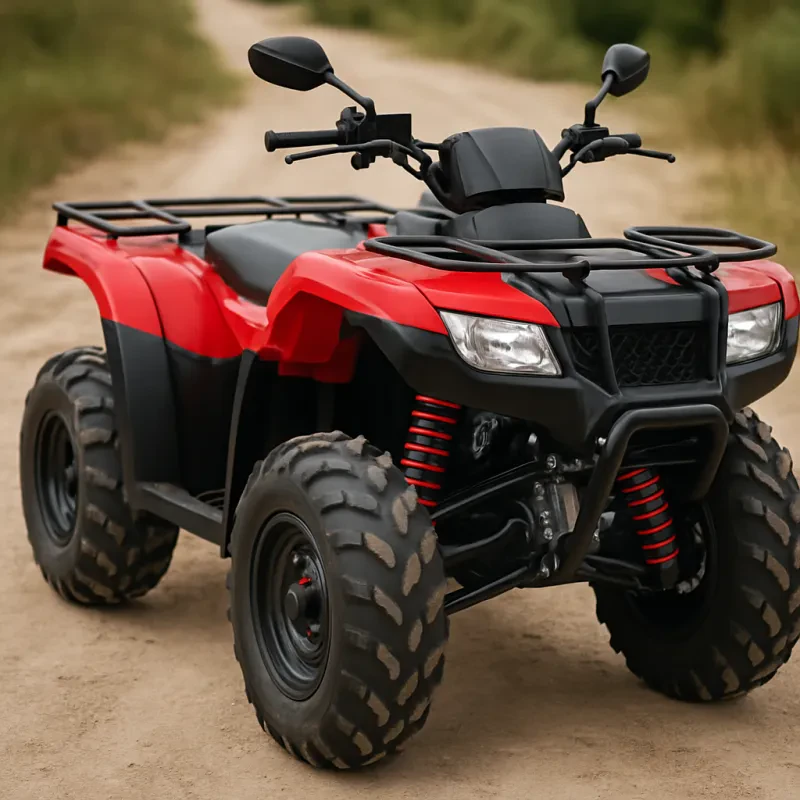
Preparing your ATV for emergencies is a crucial step in ensuring your safety during outdoor adventures. An unexpected situation can arise at any moment, so it’s wise to equip your ATV with essential tools and supplies. Start by creating a dedicated emergency kit that includes items like a first aid kit, a flashlight with extra batteries, a multi-tool, and non-perishable snacks. These items can make a significant difference if you find yourself in a challenging situation while out on the trail.
Additionally, always carry a spare tire and a tire repair kit. Flat tires are one of the most common issues ATV riders face, and being prepared can save you time and frustration. Make sure your ATV also has a working winch if you plan to ride in remote areas. A winch can help you get unstuck if you encounter mud or steep inclines. These preparations align with the ATV Emergency Tips that emphasize readiness and resourcefulness for riders.
Regular maintenance plays a significant role in emergency preparedness. Check your ATV's fluids, brakes, and tires before each ride to ensure everything is functioning properly. Keeping your ATV in top condition reduces the likelihood of breakdowns and emergencies on your trip. Don’t forget to familiarize yourself with your ATV’s features, so you are confident in handling any situation that arises.
Lastly, let someone know your plans before you head out. Share your route and expected return time with a friend or family member. This simple step is a vital part of your ATV Emergency Tips, as it ensures that someone is aware of your whereabouts and can act quickly if you don’t return on time. Effective communication can be a lifesaver if emergencies occur when you’re out in the wilderness.
Essential Safety Gear for Riders
When heading out for an adventure on your ATV, wearing the right safety gear is crucial for your protection. Essential safety gear not only keeps you safe in case of an accident but also enhances your overall riding experience. Here’s a look at some must-have gear that every rider should consider before hitting the trails.
First and foremost, a high-quality helmet is essential. A helmet protects your head from potential injuries and is the most important piece of safety gear you can wear. Make sure that your helmet meets safety standards and fits comfortably. After all, you want it to be snug enough to protect you while still allowing for comfort during long rides. Remember, wearing a helmet is a key part of any ATV emergency tips you should keep in mind.
Next up, invest in protective clothing. Long pants and sturdy, long-sleeve shirts made of durable materials will provide an added layer of defense against cuts and scrapes. Riding boots designed for ATV use are also important. Look for boots with good ankle support and a non-slip sole to help keep you stable on your vehicle. Gloves are another great addition, as they provide grip and protect your hands from the elements.
Lastly, consider using goggles or a face shield to keep dust, debris, and insects out of your eyes while riding. Visibility is crucial, especially in unpredictable environments. The right eyewear ensures that you can see clearly at all times, which is a vital point in any ATV emergency tips. Keeping your sight clear can make all the difference in avoiding accidents on the trails.
Quick Fixes for Common Breakdowns
When you're out on the trails, it's crucial to be prepared for any unexpected breakdowns. Here are some quick fixes for common issues you may encounter while riding your ATV. These ATV Emergency Tips can help you get back on the road quickly and safely.
Tire Troubles: Flat tires are a frequent issue for ATV riders. Always carry a tire repair kit that includes tire plugs and a pump. If you find yourself with a flat, start by locating the puncture. Clean the area around the hole, insert the tire plug carefully, and then inflate the tire. Make sure to check the pressure before getting back on the trail.
Battery Blues: A dead battery can leave you stranded. If your ATV won’t start, check the battery connections for corrosion or loose wires. If everything looks good but the ATV still won’t start, try jump-starting it with another vehicle. Always ensure that the other vehicle is off and follow proper jump-starting procedures to avoid damaging your ATV’s electrical system.
Engine Overheating: If your engine starts to overheat, pull over immediately to prevent damage. Check the coolant levels and top off if necessary. If you don’t have any coolant, you can temporarily use water. Also, ensure that your radiator isn’t blocked by mud or debris, as this can hinder cooling efficiency.
These ATV Emergency Tips are just a few ways to handle the most common breakdowns you might face. Always keep essential tools and supplies on hand, so you're well-equipped for any situation. Knowing how to address these issues can save you time and ensure a safer ride.
What to Do in Accidents
When you're out on your ATV, accidents can happen despite your best efforts to stay safe. Knowing what to do in these situations can make a significant difference. First and foremost, check for injuries. If you or someone else is hurt, assess the severity. If the injuries are serious, call for medical assistance right away. Remember, staying calm is key. Panic can prevent you from making clear decisions.
If everyone is okay, it’s time to assess the ATV. Look for signs of damage and make sure that it’s safe to operate. If the vehicle is badly damaged or leaking fluids, do not attempt to ride it. Instead, try to move it to a safer location away from traffic. This is an important part of the ATV emergency tips that every rider should know to avoid further dangers on the trail.
Always have a plan for communicating in case of an accident. Whether it’s using a phone, a whistle, or signaling to other riders, let someone know you need help. Carrying a basic first aid kit can also be a lifesaver. Knowing how to apply basic first aid can help stabilize injuries while waiting for assistance. These ATV emergency tips are crucial for a safer riding experience for both you and your friends.
Finally, don’t forget to document the accident if it's safe to do so. Take pictures of the scene, the ATV, and any injuries. This information can be vital for insurance claims and understanding what went wrong. Keeping this information organized can greatly assist later on, especially if you need to recount the events for authorities or insurance companies. Remember, being prepared and knowing the ATV emergency tips can help you handle accidents more efficiently.