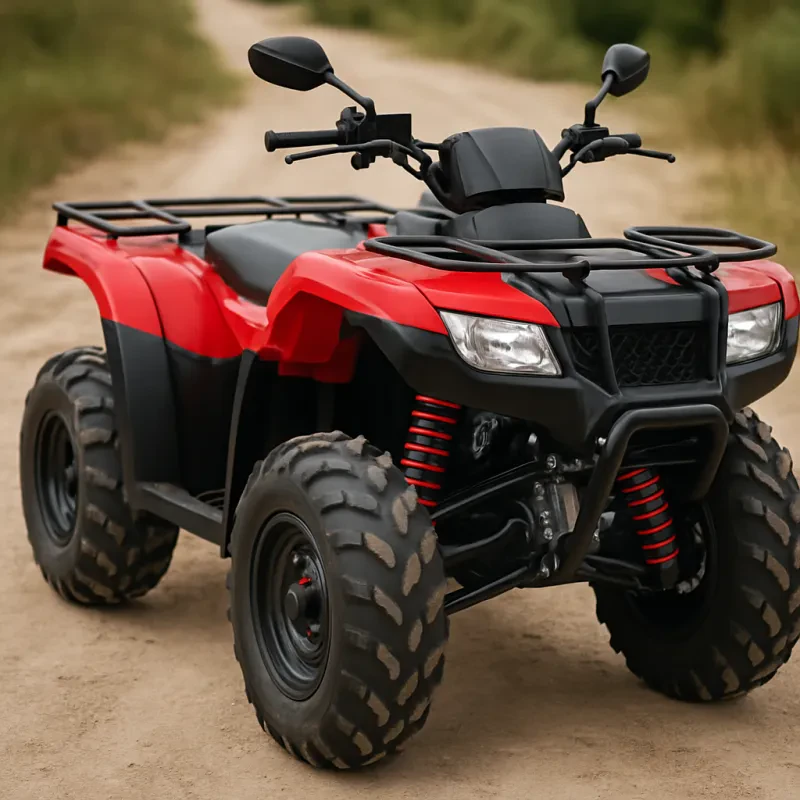
When it comes to winter ATV storage, selecting the right location is crucial for preserving the life of your vehicle. Ideally, you want a space that offers protection from the elements, including snow, rain, and freezing temperatures. A garage is often the best option, as it provides a controlled environment that reduces the risk of rust and mechanical issues caused by extreme weather.
If a garage isn’t available, consider other indoor options like a shed or a barn. These alternatives can also shield your ATV from harsh winter conditions. If indoor storage isn’t feasible at all, and your only option is outdoor storage, make sure you take additional precautions. Cover your ATV with a high-quality tarp or an ATV cover to protect it from precipitation and debris.
Location is not just about shelter; it also involves accessibility. Choose a storage place that allows easy access for maintenance or preparation for spring rides. You don’t want to struggle to get to your ATV when it's time to get back on the trails. Ensuring that the path to your storage area is clear of snow and ice will save you time and hassle when winter ATV storage season is over.
Clean Your ATV Thoroughly
Cleaning your ATV thoroughly before storing it for the winter is a crucial step in ensuring its longevity and performance. Not only does a clean ATV look better, but it also prevents dirt, mud, and salt from causing corrosion or damage over the storage period. Take the time to rinse off any debris, particularly around the frame, undercarriage, and tires, where dirt tends to accumulate.
Start by using a hose to wash away the mud and grime, but be careful not to use high pressure that could damage sensitive parts. After rinsing, apply a gentle soap specifically chosen for cleaning ATVs or outdoor vehicles. Scrub the surfaces gently with a soft brush or sponge to ensure you remove all contaminants. Pay special attention to areas that are prone to rust or corrosion, such as the metal components and fasteners.
Once you've cleaned the exterior, don't forget to dry your ATV completely. This helps to prevent mold and mildew from forming during the winter months. It's also a good opportunity to inspect your ATV for any signs of wear or damage that might need addressing before your next adventure. Remember, thorough cleaning is an essential part of proper Winter ATV Storage.
Finally, consider applying a protective coating or polish to safeguard the paint and components from the harsh winter elements. This added layer of protection can go a long way in maintaining the appearance and integrity of your ATV, ensuring that it is ready for the next season of riding.
Protect Against Moisture and Rust
When it comes to winter ATV storage, one of the biggest enemies your vehicle will face is moisture. Whether it's snow, rain, or even condensation, excess moisture can lead to rust and other forms of damage. To protect your ATV, start by choosing a storage location that is dry and well-ventilated. Avoid leaving it outside under a tarp, as this can trap moisture and create the perfect environment for rust to form.
Next, consider applying a rust inhibitor to all metal parts of your ATV before putting it into storage. This preventive measure will act as a barrier against moisture and help keep your vehicle in tip-top shape. Additionally, make sure to clean your ATV thoroughly before winter ATV storage. Remove mud, dirt, and grime that can hold moisture and contribute to corrosion over time.
Another effective way to safeguard against rust is to elevate your ATV during storage. Use a set of jack stands or a trailer to keep your tires off the ground. This not only prevents flat spots from forming on the tires but also allows for better air circulation around the vehicle, reducing moisture buildup. Ensure that your storage unit is equipped with a dehumidifier or moisture-absorbing products to further keep dampness at bay.
Lastly, remember to inspect your ATV periodically during the winter months. Check for any signs of moisture accumulation or rust development, and take corrective actions if necessary. Regular maintenance will go a long way in ensuring that your ATV is well-prepared for action when spring arrives. With these simple tips for winter ATV storage, you can keep your vehicle protected and ready for your next adventure.
Check the Battery and Fuel
Start with the battery. Cold weather can diminish battery performance, so it’s a good idea to remove the battery and store it in a warmer location. Make sure to clean any corrosion from the terminals and check the charge level. If it’s running low, consider using a trickle charger to maintain the battery's health throughout the season. This simple task can save you from a frustrating surprise come spring when you’re eager to hit the trails.
Next, focus on your ATV's fuel system. If you're storing your ATV for the winter, fill the tank with high-quality fuel and add a fuel stabilizer. This helps prevent the fuel from breaking down and keeps the fuel lines clear of gunk and varnish. Ensure that the fuel cap is tightly secured to prevent moisture from entering, which can lead to additional complications during winter ATV storage. By taking these steps, you're securing the performance of your ATV for the next riding season.
By checking your battery and fuel before winter, you set yourself up for a smoother transition back to riding when warmer weather returns. Simple preparations can go a long way in protecting your valuable equipment and ensuring that when the snow melts, your ATV is ready for action.