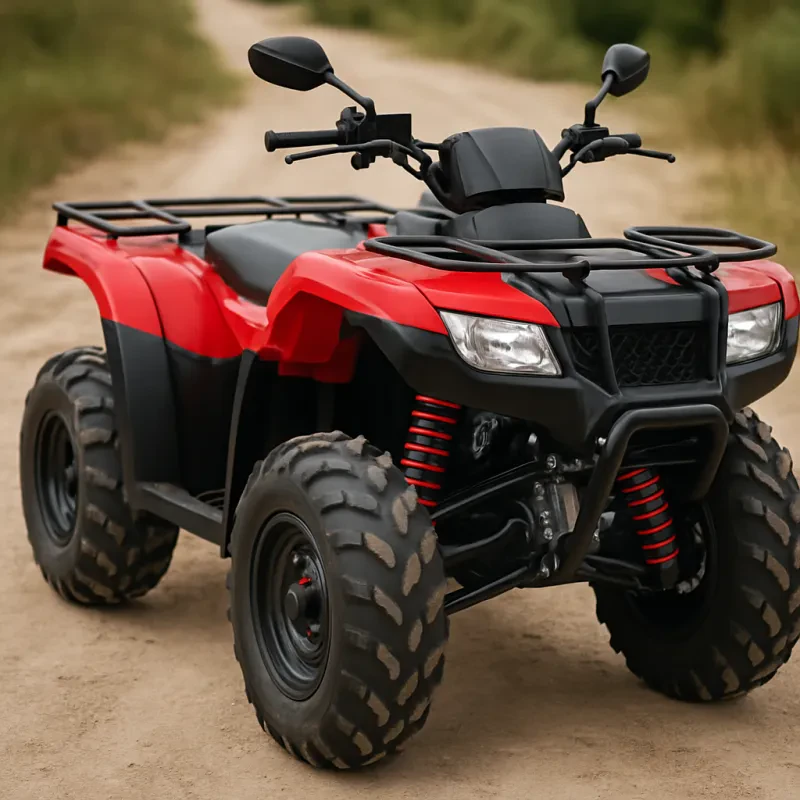
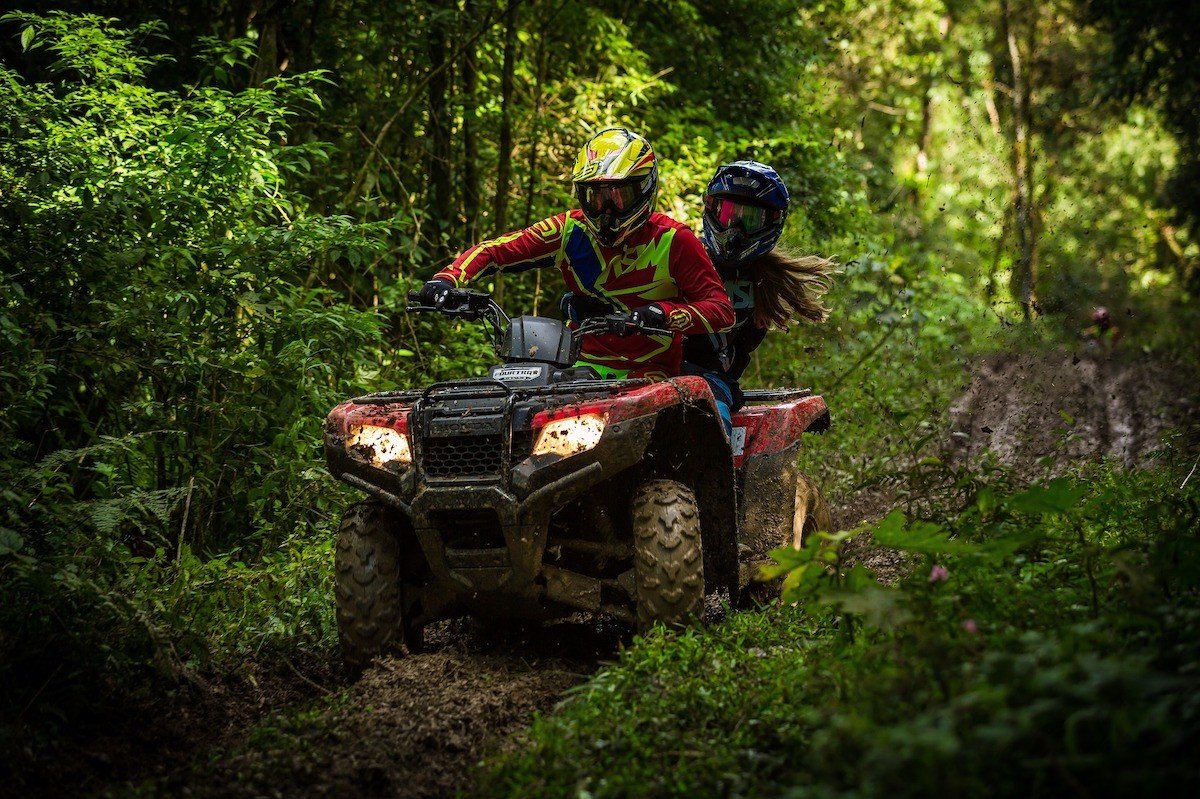
When it comes to mastering advanced ATV riding skills, understanding key techniques for control is essential. One of the fundamental techniques involves body positioning. Proper body positioning allows you to shift your weight effectively, which can help with balance and stability, especially during turns and rough terrain. Keep your knees slightly bent and your feet firmly planted on the footrests. Lean forward when accelerating and shift your weight back when descending hills for better control.
Another vital technique is using the throttle and brakes effectively. The right amount of throttle can help you maintain traction on tricky surfaces while preventing wheel spin. Learning to modulate the throttle—applying just the right amount of power for different conditions—can significantly enhance your control. Additionally, practice feathering the brakes. This means applying them gently to help slow down smoothly without causing the ATV to skid or lose traction.
Turning techniques are also crucial to advanced ATV riding skills. Always look ahead and anticipate where you want to go; your head and body should lead the turn. Use counter-steering by gently pushing the handlebars in the opposite direction of the turn before steering into it. This technique helps set your tires for a more fluid transition and improves your overall stability. Remember that in sharper turns, shifting your weight toward the inside of the turn helps reduce the likelihood of rolling or tipping.
Finally, mastering the art of dynamic riding is an important aspect of advanced ATV control. This involves reacting quickly to changing terrain and conditions. Stay alert and be prepared to adjust your speed and body position as needed. Practicing in various environments will help you develop these instincts. By focusing on these key techniques for ATV control, you’ll build a solid foundation for mastering advanced ATV riding skills and confidently tackle any obstacle in your path.
Navigating Challenging Terrain
When approaching a steep hill, it’s important to maintain a steady speed. Accelerate before you hit the incline and keep your weight centered on the seat. If the slope is particularly steep, it may be wise to lean slightly forward. This position helps prevent your ATV from tipping backward. Always remember to look ahead and plan your path to avoid unexpected obstacles.
Rocky terrains present their own challenges. To maneuver over rocks, it’s best to approach at a slow pace and choose your line carefully. Use your body weight to help stabilize the ATV; lean back when going down small drops and forward when climbing. Practicing these advanced ATV riding skills will help you develop a better feel for how your vehicle reacts, making it easier to navigate tricky sections.
Mud can also be a tricky terrain to handle. When riding in muddy conditions, it's critical to maintain steady momentum. If you slow down too much, your tires may get bogged down. In addition, avoid sudden movements that can cause your ATV to lose traction. With experience in these challenging situations, you will be well on your way to mastering advanced ATV riding skills and tackling any terrain with confidence.
Essential Safety Tips for Riders
When it comes to mastering advanced ATV riding skills, safety should always be your top priority. Riding an ATV can be thrilling, but it also comes with inherent risks. By following a few essential safety tips, you can ensure that your off-road adventures are both exciting and safe.
First and foremost, always wear the proper safety gear. A good-quality helmet, goggles, gloves, and protective clothing can significantly reduce your risk of injury. It's easy to overlook these essentials when you're eager to hit the trails, but wearing the right gear can save your life. Make sure your helmet fits correctly and meets safety standards to provide the best protection while you practice your advanced ATV riding skills.
Before you start riding, take the time to familiarize yourself with your ATV. Read the owner's manual and understand how to operate the vehicle safely. Check the brakes, tires, and lights to ensure everything is in working order. This not only enhances your safety but also helps you feel more confident as you tackle more complex maneuvers associated with advanced ATV riding skills.
Lastly, always ride within your limits and be aware of your surroundings. Choose trails that match your skill level and keep an eye out for obstacles or changes in terrain. Riding with a buddy is also a smart choice, as having someone else around can provide assistance in case of an emergency. By staying aware and taking the necessary precautions, you can enjoy the thrill of advanced ATV riding skills while minimizing the risks involved.
Boosting Your Riding Confidence
First, familiarize yourself with your ATV. Spend time understanding its features and controls. The more comfortable you are with how your vehicle operates, the more confident you'll feel as you ride. Take your ATV to an open area where you can practice steering, braking, and accelerating without the pressure of obstacles. This will help you develop a strong foundation before you dive into more advanced ATV riding skills.
Next, practice makes perfect. Regularly riding your ATV will not only enhance your skills but will also help you get used to handling it under different conditions. Start with simple trails and gradually progress to more complex routes. This way, you can gradually experience different terrains and refine your abilities, reinforcing your confidence in your riding skills.
Finally, don’t be afraid to learn from others. Joining a local riding group or taking lessons from experienced riders can provide valuable insights and tips. Watching others tackle advanced ATV riding skills can inspire and motivate you to push your limits. Plus, you might pick up some tricks that will help you ride more effectively and confidently.