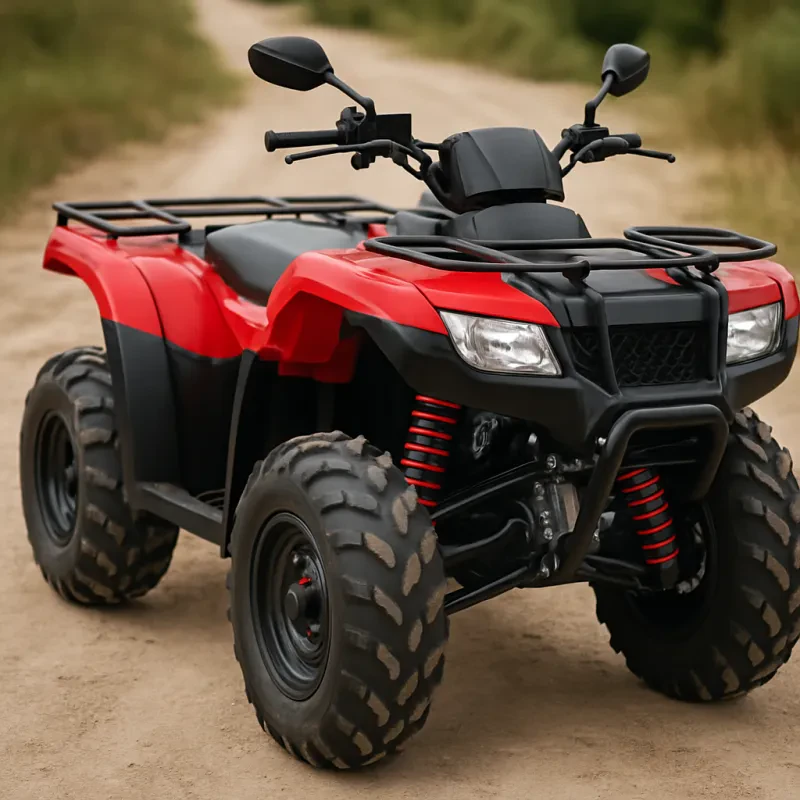
When it comes to off-roading adventures, safety should always be a top priority. Understanding the importance of ATV safety is crucial for every rider, whether you're a novice or an experienced enthusiast. Riding an All-Terrain Vehicle (ATV) can be thrilling, but it also comes with its own set of risks. Proper ATV safety inspection helps minimize these risks and ensures that your ride is both enjoyable and safe.
One of the key elements of ATV safety is regular maintenance and inspection. Performing an ATV safety inspection allows you to identify potential issues before they become serious problems. This includes checking tire pressure, brakes, lights, and fluid levels. An efficient ATV safety inspection not only protects the rider but also enhances the overall performance of the vehicle, making your ride smoother and more reliable.
In addition to mechanical checks, being aware of safety gear is equally important. Always ensure you wear a helmet, goggles, gloves, and protective clothing during your ride. These items can significantly reduce the risk of injury in case of an accident. Furthermore, educating yourself about safe riding practices, such as never riding alone and staying off main roads, complements your ATV safety inspection efforts.
Remember, your safety and the safety of others on the trails depend on being proactive. Taking the time to perform a thorough ATV safety inspection and practicing responsible riding can make a world of difference. By prioritizing safety, you not only protect yourself but also contribute to a safer riding community. Stay informed, stay aware, and keep safety at the forefront of your adventures.
Key Areas to Inspect Regularly
When it comes to ATV safety inspection, certain key areas should be inspected regularly to ensure your vehicle is in top condition. First and foremost, it’s vital to check the brakes. A well-functioning brake system is essential for safe riding. Look for any signs of wear and tear on the brake pads and ensure that the brake fluid is at the correct level. If you notice any unusual noises while braking or if the brakes don’t respond effectively, it’s time for a more detailed inspection.
Next on the list is the tire condition and pressure. Proper tire maintenance not only extends the life of your tires but also enhances overall safety. Inspect the tire tread for any signs of uneven wear and make sure the pressure is within the manufacturer's recommended range. Underinflated or overinflated tires can lead to handling issues, especially in off-road conditions.
The engine and fuel system are also critical components to assess during your ATV safety inspection. Check the engine oil and coolant levels, ensuring everything is clean and at appropriate levels. Additionally, examine the fuel system for any leaks or damages. Regularly replacing the fuel filters and using fresh fuel can prevent engine problems down the line.
Lastly, don’t overlook the electrical system. Ensure all lights, including headlights and tail lights, are functioning properly. A well-lit ATV is crucial for safety, especially during low visibility conditions. Also, check the battery connections for corrosion or loose wires. A reliable electrical system is essential for starting your ATV and ensuring all components work effectively.
Essential Tools for Your Inspection
When it comes to ensuring a thorough ATV Safety Inspection, having the right tools at your disposal is crucial. A well-prepared inspection can help identify potential issues before they become serious problems. Let’s take a look at some essential tools that will make your ATV safety inspection more effective and efficient.
First on the list is a basic tool kit, which should include wrenches, screwdrivers, and pliers. These tools allow you to tighten bolts, replace screws, and make quick adjustments whenever necessary. Having a tool kit handy means you can handle minor repairs on the spot, ensuring that your ATV is in the best condition possible before hitting the trails.
Next, a tire pressure gauge is essential for your ATV Safety Inspection. Proper tire pressure is vital for maintaining control and stability while riding. An accurate gauge will help you check whether your tires are inflated to the manufacturer’s recommended levels. Don't forget to inspect the tread depth and look for any signs of damage as well.
Another must-have is a flashlight. Good visibility is critical during any inspection, especially in hard-to-reach areas or when checking components in low-light conditions. A reliable flashlight will help you thoroughly check the engine compartment, brake lines, and other vital components, ensuring nothing is overlooked during your ATV Safety Inspection.
Lastly, consider investing in a multimeter for electrical inspections. This tool can help you test the battery, wiring, and electrical components to ensure everything is functioning properly. Electrical issues can be challenging to diagnose, but with a multimeter, you’ll have the capability to identify and address problems quickly, making your ATV safer for your next adventure.
Tips for Safe ATV Operation
When it comes to enjoying your ATV, safety should always come first. One of the most important aspects of safe ATV operation is to ensure that you regularly perform an ATV Safety Inspection. By checking your vehicle before every ride, you can reduce the risk of accidents and ensure a smoother adventure.
Start with a thorough visual inspection of your ATV. Look for any signs of damage, like cracks in the frame or worn tires. Ensure that all lights are functioning properly so that you can be seen, especially if you venture out during low-light conditions. A quick glance at your brakes and throttle can also help identify any mechanical issues before you hit the trails.
Next, take a moment to check your fluids. Make sure that your oil is at the appropriate level and that the coolant is full. This simple check can help prevent overheating and keep your engine running smoothly. Don’t forget to inspect the battery connections and ensure that they are clean and secure.
Finally, always use proper safety gear, including a helmet, gloves, and protective clothing. Even the safest ATV can encounter unforeseen circumstances, and being prepared can help you avoid serious injury. By adhering to these tips and conducting a consistent ATV Safety Inspection, you'll be well on your way to enjoying your rides safely!