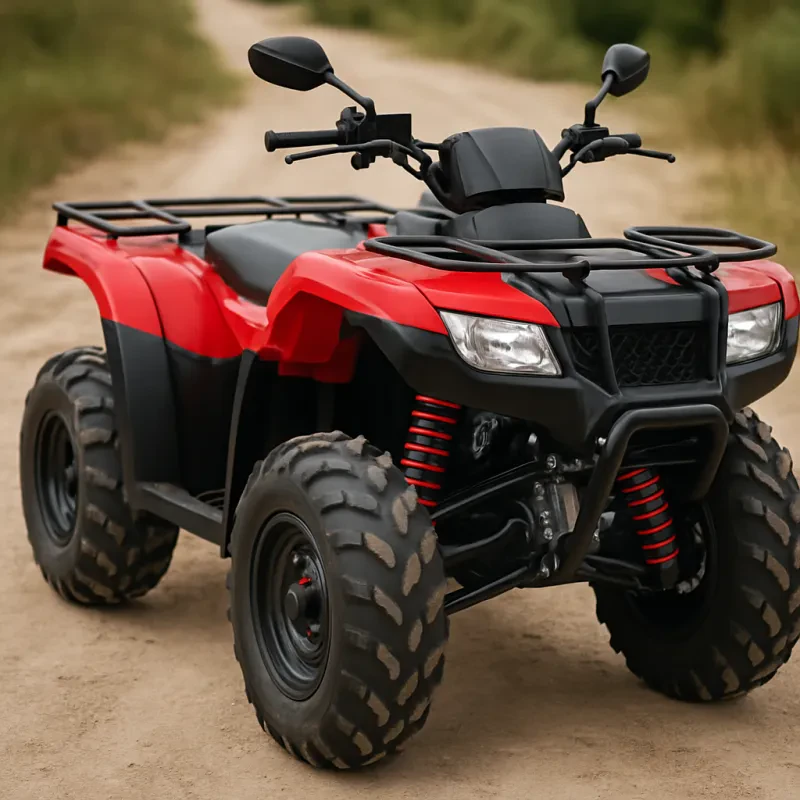
First, it’s important to understand the types of coverage available. Liability coverage is typically required and protects you if you're at fault in an accident that causes injury or damages to others. Additionally, collision coverage helps pay for damages to your ATV after an accident, regardless of who’s at fault. Comprehensive coverage goes a step further, covering incidents like theft, vandalism, or natural disasters. Familiarizing yourself with these terms is a vital step in your ATV Insurance Guide journey.
Another aspect to consider is how premiums are determined. Factors like the value of your ATV, your riding experience, and where you live can greatly influence your insurance costs. Many insurers offer discounts for safety courses or for insuring multiple vehicles. Taking the time to shop around and compare quotes can lead to significant savings, making it a crucial tip in your ATV Insurance Guide.
Lastly, don’t overlook the importance of understanding your policy's limits and exclusions. Some policies may have restrictions on where you can ride or might not cover racing or competitive events. Always read the fine print to ensure that your expectations align with what the coverage truly offers. Understanding these nuances will help you make informed decisions that protect your investment and enhance your riding experience.
Key Coverage Options for ATV Owners
When it comes to protecting your investment in an all-terrain vehicle (ATV), understanding the key coverage options is essential. This ATV Insurance Guide walks you through the various choices available to ensure that you are adequately protected whether you’re cruising through rugged trails or enjoying a weekend with friends. Having the right coverage can give you peace of mind and help safeguard your finances in case of any unexpected events.
One of the most common types of coverage is liability insurance, which can protect you if you’re found responsible for causing damage to someone else's property or injuring another person while riding your ATV. This coverage can cover legal fees and medical expenses, making it a crucial part of your ATV insurance policy. Depending on your state’s requirements, liability coverage may not just be advisable; it may be mandatory.
In addition to liability, comprehensive and collision coverage are vital options to consider. Comprehensive coverage protects you from non-collision incidents, such as theft, vandalism, or damage from natural disasters. On the other hand, collision coverage helps cover repair costs if your ATV is damaged in an accident, regardless of fault. Together, these two options provide a robust safety net, ensuring that your ATV remains in top condition no matter what happens.
Lastly, consider medical payments coverage, which can help cover medical expenses for you and your passengers if you’re injured while riding your ATV. This type of coverage is particularly important if you frequently ride with friends or family. By incorporating medical payments coverage into your policy, you can enjoy your adventures knowing that you have added protection against potential injuries. As you navigate the options available in this ATV Insurance Guide, evaluating your unique needs and riding habits can guide you toward the best choices for your ATV coverage.
How to Choose the Right Policy
Choosing the right policy for your ATV can feel overwhelming, especially with so many options available. However, being informed can greatly simplify the process. Start by assessing your needs. Consider how often you use your ATV, where you ride, and what type of coverage you may require. This step is crucial in determining the level of protection that is right for you, which is a key element of any comprehensive ATV Insurance Guide.
Next, research the types of coverage offered by various insurance providers. Common options include liability coverage, which protects you if you cause an accident, and collision coverage, which can help repair your ATV if it's damaged. Additionally, consider uninsured/underinsured motorist coverage, which can be beneficial if you find yourself in an accident with someone who doesn't have adequate insurance. Tailoring your policy based on your riding style and the environments you navigate will play a significant role in securing the best coverage.
Another important aspect to consider is the deductible. A lower deductible often means higher premiums and vice versa. Think about what you can afford out-of-pocket in the event of a claim. Balancing the deductible with your premium costs is essential to ensure you’re getting the best value for your ATV insurance. Remember, this is a critical point that a thorough ATV Insurance Guide should explain in detail.
Finally, don’t hesitate to seek advice from industry professionals. Insurance agents can provide valuable insights into various policies and help you compare rates. They can also highlight any discounts you may qualify for, such as safe riding courses or bundling insurance policies. With the right guidance, you can navigate the complexities of ATV insurance and make an informed decision that protects you and your investment perfectly.
Tips for Saving on ATV Insurance
When it comes to saving money on ATV insurance, a few smart strategies can make a significant difference. First and foremost, shop around. Different insurance companies often provide varying rates for the same coverage. By comparing quotes from multiple insurers, you can find the best deal that fits your needs. In your search, don't forget to read customer reviews and check the insurance company's reputation.
Another tip in this ATV Insurance Guide is to consider bundling your ATV insurance with other policies. Many insurance providers offer discounts if you combine your ATV insurance with home, auto, or other types of coverage. This can help lower your overall premiums while keeping your assets protected.
Additionally, maintaining a clean driving record can significantly reduce your insurance costs. Insurance providers often reward safe drivers with lower premiums. This means that following basic safety guidelines and being cautious on the trails can lead to long-term savings on your ATV insurance.
Finally, think about the coverage you truly need. Assess your usage and the value of your ATV to determine the right amount of protection. You might find that you can opt for a higher deductible or reduce coverage on older models. This can help lower your insurance costs while still providing you with essential coverage.