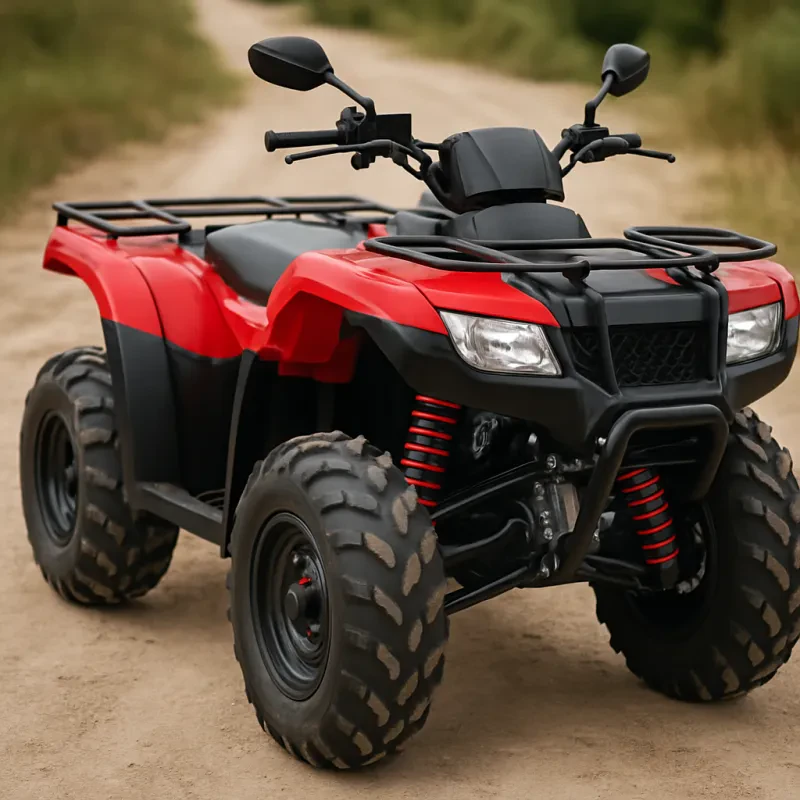
At the heart of the exhaust system is the exhaust manifold, which directs exhaust gases from the engine to the rest of the system. From there, the gases travel through the exhaust pipes and ultimately exit the vehicle. Along the way, the muffler minimizes noise, while catalytic converters help reduce harmful emissions. If any part of this system is damaged or clogged, it can lead to poor engine performance or even cause your ATV to stall.
When it comes to ATV exhaust repair, regular inspections can help you catch problems early. Look for signs of rust, cracks, or loose connections in the exhaust pipes and muffler. Additionally, listening for unusual noises can alert you to potential issues before they become major problems. Keeping your exhaust system in good condition not only helps your ATV run smoothly but also preserves its resale value.
In some cases, DIY repairs can be effective and cost-efficient. However, more significant damage may require professional assistance. Understanding your ATV's exhaust system can empower you to make informed decisions about repairs and maintenance. With a little knowledge, you can master ATV exhaust repair essentials, ensuring your ride stays in top shape for all your adventures.
Common Exhaust Issues and Solutions
When it comes to ATV Exhaust Repair, recognizing common issues is the first step towards effective solutions. One of the most frequent problems riders encounter is a cracked or damaged exhaust pipe. This can happen due to wear and tear from rough terrains or accidental impacts. A cracked pipe can lead to decreased performance, increased noise, and even safety hazards due to fume leaks. The best solution is to inspect the exhaust system regularly for any visible cracks and use a high-temperature epoxy or a patching kit specifically designed for exhaust systems.
Another common issue is rust and corrosion, particularly in areas where the exhaust system is exposed to moisture and dirt. Rust can weaken the structural integrity of the exhaust and may lead to complete failures if not addressed promptly. To combat this, it’s important to clean the exhaust regularly, removing dirt and grime that can trap moisture. Additionally, applying a high-temperature paint designed for exhaust systems can help prevent future rusting.
Noise is another aspect to consider when discussing ATV Exhaust Repair. If you notice your ATV running louder than usual, it may be a sign of a loose or damaged muffler. A loose connection can lead to vibrations and increased noise, while a damaged muffler can significantly affect performance. To fix this problem, ensure all bolts and connections are tightly secured. If the muffler itself is damaged, replacing it with a new or aftermarket option may be necessary to restore optimal performance.
Finally, a buildup of carbon deposits can also be a significant problem within the exhaust system. This can restrict airflow and reduce engine efficiency. Periodic cleaning of the exhaust system is essential to remove these deposits. You can use specialized cleaners or products designed for exhausts to help break down and eliminate the build-up. Regular maintenance in this area is crucial for ensuring your ATV runs smoothly and efficiently.
Essential Tools for Exhaust Repair
When diving into ATV exhaust repair, having the right tools at your disposal can make all the difference. Whether you're a seasoned mechanic or a DIY enthusiast, the essential tools will help you tackle repairs efficiently and safely. One of the first items you'll need is a quality socket and ratchet set. This will allow you to easily remove bolts and nuts that hold the exhaust system in place.
After loosening the bolts, a good set of pliers, especially needle-nose pliers, can be invaluable for grasping small components or removing stubborn clamps. Additionally, having a set of wrenches in various sizes will ensure you can handle both metric and SAE fasteners, which is especially important in ATV exhaust repair due to the variety of manufacturers.
Another key tool is an exhaust pipe cutter or a saw, which comes in handy when dealing with damaged exhaust pipes that need replacement. These tools will help to create clean cuts, ensuring the new sections fit together well. Lastly, some high-temperature RTV sealant can be essential for ensuring that joints and connections are leak-free.
Remember, while having the right tools is crucial, knowledge and experience play equally vital roles in performing ATV exhaust repair. Take your time to familiarize yourself with the various components of your ATV's exhaust system. With the right tools and a bit of practice, you'll be well on your way to mastering ATV exhaust repair essentials.
Step-by-Step Repair Guide
When tackling ATV exhaust repair, the first step is to gather the necessary tools and materials. You will need a socket set, wrenches, a screwdriver, exhaust pipe sealant, and possibly some replacement parts, such as gaskets or welding supplies. Preparing your workspace is crucial—ensure you have ample lighting and a comfortable area to work. Safety gear, including gloves and goggles, is essential to protect yourself during the repair.
Once you’re ready, start by inspecting the exhaust system thoroughly. Look for cracks, holes, or loose fittings that could be causing issues. If you find any damaged areas, mark them for repair. Take the time to clean any dirt or grime from the exhaust pipe and surrounding components to get a clearer view of the damage. This will also help ensure a better seal later during the repair.
Next, you can start the repair process. For small cracks or holes, applying exhaust pipe sealant or a patch may suffice. Make sure to follow the product instructions for the best results. If you’re dealing with larger damage, like a broken pipe or a severe rust issue, you may need to replace the entire section. Carefully disconnect the damaged part using your socket set or wrenches, then install the new part securely.
Once the repairs are complete, it's time to recheck all connections and ensure everything is securely fastened. Start your ATV and listen for any unusual noises that could indicate further issues. A proper ATV exhaust repair not only enhances your vehicle's performance but also helps to reduce emission levels, keeping your ride in top shape for the trails ahead.