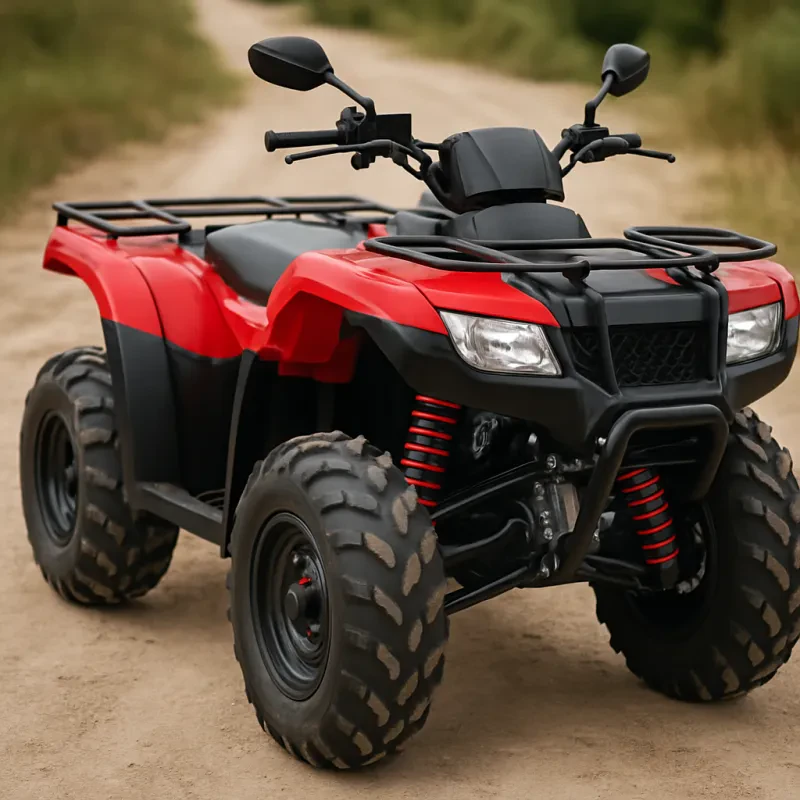
There are generally two types of oil used in ATVs: conventional and synthetic. Conventional oil is often more affordable and suitable for older models. On the other hand, synthetic oil usually offers better protection and performance, especially in extreme temperatures and demanding conditions. It’s essential to choose the right type of oil based on your ATV model, usage, and environmental conditions to ensure optimal performance.
In addition to knowing the type of oil, you'll also want to pay attention to the viscosity rating. This rating indicates how well the oil flows at different temperatures. Make sure to select an oil that matches the recommended viscosity for your ATV. Following this ATV Oil Change Guide will help you maintain your vehicle's engine health and improve its longevity.
Finally, don't forget to consider how often you should change your oil. Most manufacturers recommend changing the oil every 100 to 200 hours of operation or at least once a year. However, if you ride frequently or in harsh conditions, you may need to change it more often. Keeping track of your oil change schedule is a key part of responsible ATV ownership and will help you get the most out of your machine.
Tools You Will Require
Before diving into the details of your ATV Oil Change Guide, it's essential to gather all the necessary tools. Having the right equipment on hand will make the process smoother and more efficient. Here's a list of the must-have tools you will need to complete your oil change like a pro.
First up is an oil drain pan. This tool is crucial for collecting used oil as it drains from your ATV. Look for one that has a good capacity and is easy to pour from. You will also need a socket set or a wrench to remove the oil drain plug. Make sure to have the correct size on hand to avoid any frustrating delays.
Don't forget a funnel! This handy tool will help you pour new oil into your ATV without making a mess. Additionally, having a filter wrench can be beneficial if your ATV's oil filter is difficult to remove. Lastly, remember to wear gloves and have some rags nearby for clean-up. With these tools at your disposal, you’ll be ready to tackle your ATV Oil Change Guide confidently!
Step-by-Step Oil Change Process
Changing the oil in your ATV is essential for keeping it running smoothly and efficiently. Follow these easy steps in our ATV Oil Change Guide to ensure your machine stays in top shape. Before you begin, gather your supplies: a wrench, oil filter, new oil, an oil catch pan, and a funnel.
Start by warming up your ATV for a few minutes. This will help the oil drain out more easily. Once warmed up, turn off the engine and secure your ATV on a level surface. Put on gloves and place your oil catch pan underneath the engine. Locate the oil drain bolt—it's usually found at the bottom of the engine. Using your wrench, carefully loosen and remove the bolt, allowing the old oil to drain completely into the pan.
While the oil drains, take the opportunity to replace the oil filter. Find the oil filter—which is often a round, metal canister—and twist it off using your hand or an oil filter wrench. Make sure to lubricate the rubber gasket on the new filter with a bit of new oil before installing it. This helps ensure a good seal. Install the new filter by hand, tightening it snugly but not too tightly.
Once all the old oil has drained and the new filter is in place, replace the drain bolt and tighten it securely. Now it's time to add the new oil! Refer to your ATV Oil Change Guide for the correct oil type and capacity. Using a funnel, pour the new oil into the designated fill hole. Check the oil level using the dipstick, and add more oil if necessary to reach the appropriate level.
After everything is filled and tightened, start your ATV and let it run for a few moments. This helps circulate the new oil. Finally, check for any leaks around the drain bolt and filter. If everything looks good, dispose of the old oil properly, and you're all set! Regular oil changes will keep your ATV performing at its best.
Maintenance Tips for Longevity
To get the most out of your ATV, regular maintenance is essential. One of the key components of this process is adhering to an effective ATV oil change guide. Following the right steps not only ensures smooth operation but also extends the life of your machine. Here are some practical maintenance tips to keep your ATV running strong.
First and foremost, always check the oil level before every ride. This simple yet effective step helps identify any potential leaks or issues before they become serious problems. If you're unsure how to check your oil, refer to your ATV oil change guide for detailed instructions. Maintaining a proper oil level can prevent engine damage and keep your performance at its peak.
In addition to oil checks, make it a habit to inspect your air filter regularly. A clean air filter ensures that your engine receives adequate air intake, which is crucial for optimal performance. According to your ATV oil change guide, you should consider cleaning or replacing the air filter every few rides, especially in dusty conditions. This small act can significantly improve fuel efficiency and engine health.
Finally, don’t forget about tire maintenance. Properly inflated and well-maintained tires contribute not just to better handling but also to a smoother ride. Regularly check tire pressure and tread depth as part of your ATV oil change guide. Keeping your tires in good condition can enhance safety and improve overall performance on various terrains.