Choosing the right ATV is crucial for anyone getting started in the sport. Whether you’re looking for speed, handling, or comfort, your choice will greatly impact your experience on the trails or racing tracks. To help simplify your decision, consider factors such as engine size, weight, and the type of terrain you plan to tackle. Understanding these key elements will ensure that your entry into ATV racing is enjoyable and safe.
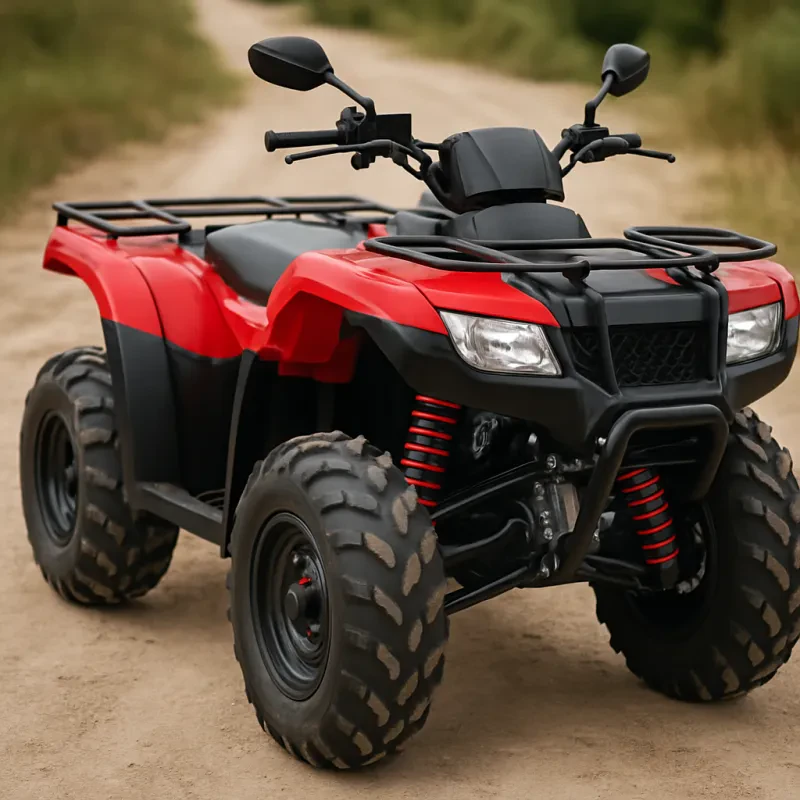
First, think about your skill level and the size of the ATV engine. For beginners, smaller engines, typically between 90cc and 250cc, are more manageable and easier to control. If you're just starting out, a machine in this range will provide plenty of power without being overwhelming. This is especially important for your safety as you learn the ropes of ATV racing. Always refer to a Beginner ATV Racing Guide for recommendations specific to your level.
Next, consider the weight of the ATV. A lighter ATV is often easier to maneuver, especially for newcomers still building their confidence. Heavier models may offer more stability but can be more challenging to handle. If possible, try out different models to see what feels comfortable for you. Remember, the right fit can make all the difference in your overall enjoyment and performance during races.
Finally, take into account the type of terrain you'll be riding on. Some ATVs are designed for racing on smooth tracks, while others excel in rough, off-road environments. Make sure to select a model that matches your intended riding style. As outlined in the Beginner ATV Racing Guide, understanding these different models and their purposes will help you choose the ATV that best fits your needs and enhances your racing experience.
Essential Safety Gear for ATV Riding
When it comes to ATV riding, safety should always be your top priority, especially for beginners. In this Beginner ATV Racing Guide, we’ll explore the essential safety gear you need to enjoy your off-road adventures while keeping yourself protected. Investing in the right equipment is crucial for a fun and safe experience.
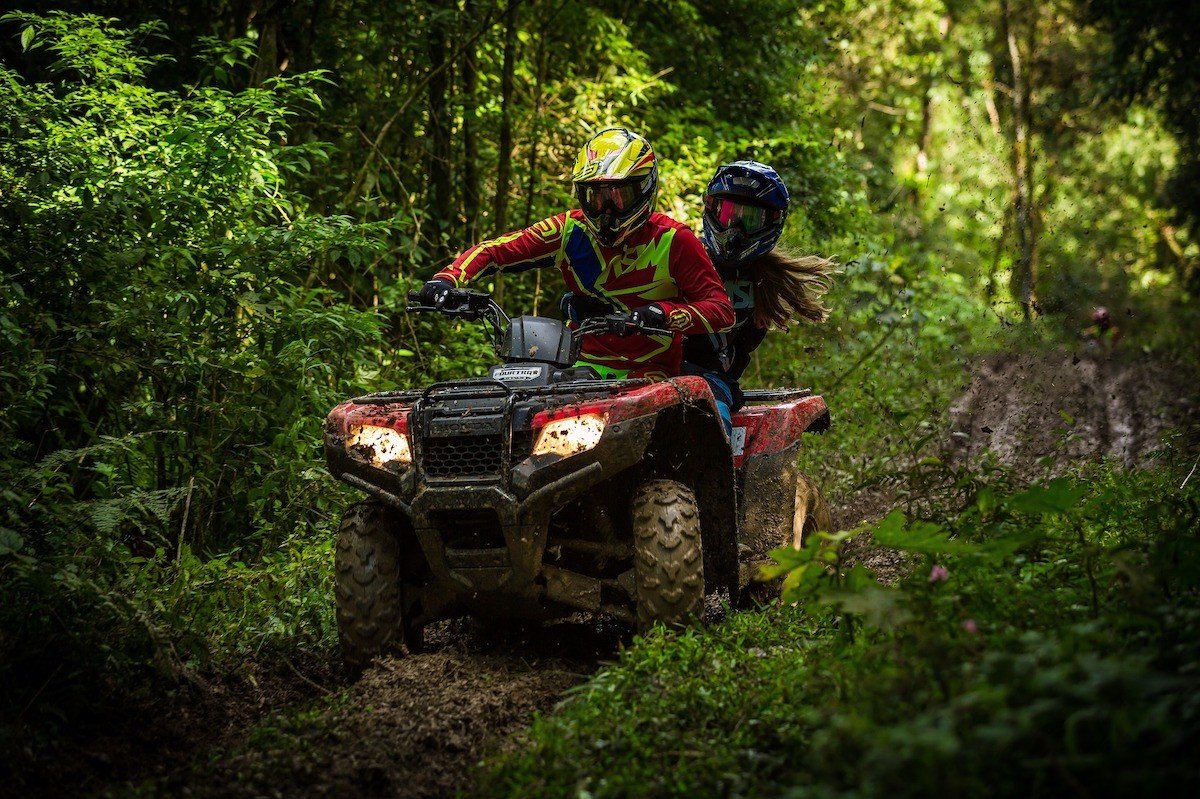
The first item on your shopping list should be a quality helmet. Look for a full-face helmet that meets safety standards. A well-fitted helmet will protect your head from impacts and keep you safe in the event of an accident. Additionally, make sure to choose a helmet with good ventilation to keep you cool during those long rides.
Next, don't forget about protective clothing. Long-sleeved shirts and pants made of durable material will protect your skin from scrapes and possible injuries. Consider wearing a motocross jersey and pants designed for off-road riding. They not only provide protection but also keep you comfortable and agile while you ride.
Finally, invest in gloves and sturdy boots. Gloves will help you maintain a solid grip on the handlebars and protect your hands from abrasions. Look for gloves that are padded for added comfort. As for footwear, steel-toed boots provide excellent ankle support and protect your feet from any hazards you might encounter while riding.
Basic Riding Techniques for Beginners
When you're just starting out in the exciting world of ATV racing, mastering basic riding techniques is crucial. The first step is to familiarize yourself with the controls of your ATV. Every model may have slightly different features, but common controls include the throttle, brakes, and clutch. Make sure you feel comfortable handling these before hitting the trails. This familiarity will boost your confidence and help you focus on your technique.
Once you're comfortable with the controls, practice your stance. The ideal riding position involves keeping your knees slightly bent and your feet firmly on the footpegs. Stand with your legs relaxed but ready to adjust for bumps and turns. Your body should lean slightly forward to help maintain balance and control. This basic posture is vital for navigating rough terrains, making it a key topic in any Beginner ATV Racing Guide.
As you start to ride, braking and acceleration techniques become essential. Be sure to use both brakes together to stop smoothly. This helps you maintain control and prevents skidding. When it comes to acceleration, remember to ease into the throttle to avoid spinning out or losing traction, especially in slippery conditions. Practicing these techniques will prepare you for more advanced racing maneuvers.
Lastly, always be aware of your surroundings. Whether you're racing on trails or open fields, scanning your environment helps you anticipate obstacles and make quick decisions. As you gain experience, this will become second nature, allowing you to focus on speed and technique. Incorporating these basic riding techniques into your practice will pave the way for a thrilling and safe entry into ATV racing.
Tips for Your First ATV Race
Getting ready for your first ATV race can feel a bit overwhelming, but with the right tips, you’ll feel more confident and prepared. One of the best pieces of advice in any Beginner ATV Racing Guide is to familiarize yourself with the track. If possible, visit the location ahead of time, or study a map of the course. Understanding the layout and any tricky sections will help you plan your racing strategy and anticipate challenges during the actual event.
Another essential tip is to practice your starting technique. A strong start can set the tone for your entire race, so spend some time working on your launch. Make sure you know how to give your ATV enough throttle without spinning out or losing control. This will give you a competitive edge right from the beginning. Your speed and starting position can make a significant difference in how you perform during the race.
Moreover, remember to focus on your body position while racing. Keeping your weight centered and adjusting as needed when navigating turns and bumps can greatly affect your speed and control. This is an important element discussed in a Beginner ATV Racing Guide. By leaning forward in straight sections and shifting your weight to the outside during turns, you’ll achieve better traction and stability, making for a smoother ride.
Lastly, don’t forget about the importance of safety gear. Wearing the right protective equipment, like a helmet, goggles, gloves, and pads, is crucial to ensure your safety while racing. It might feel cumbersome at first, but this gear will help you feel more secure on your ATV and allow you to focus on the race rather than worrying about potential injuries. Prioritizing safety is not just smart; it’s a fundamental part of making your first ATV experience enjoyable.