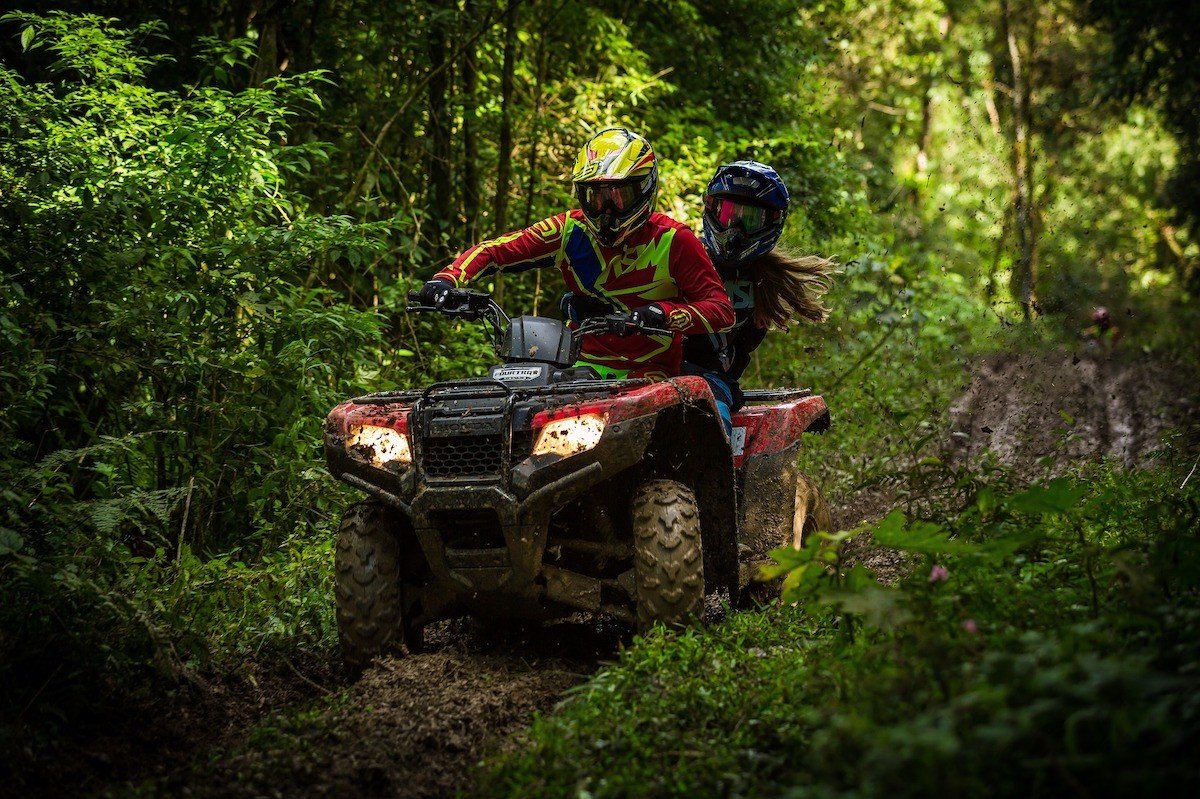
When you’re ready to hit the trails on your ATV, one of the most important ATV safety tips is to always wear protective gear. Wearing the right gear can significantly reduce the risk of injury in case of an accident. Start with a good-quality helmet that fits snugly and is certified for safety standards. This is crucial, as most ATV-related injuries are head injuries. Make sure your helmet is designed specifically for off-road riding to provide maximum protection.
In addition to a helmet, consider wearing goggles to protect your eyes from dust and debris. These small particles can easily cause distractions or injuries while you’re navigating tricky terrains. Eye protection is just as vital as a helmet and can make your ride much more comfortable. Don’t forget about gloves, which will give you a better grip on the handlebars, and protect your hands from abrasions in case of a fall.
Other essential protective gear includes long sleeves and pants made from durable materials. This will help shield your skin from branches, rocks, and the elements. Sturdy, over-the-ankle boots are also a must; they provide ankle support and protection for your feet while you ride. When fully equipped with proper protective gear, you not only enhance your safety but also boost your confidence as you explore the great outdoors.
Remember, every time you plan to ride, double-check your gear to ensure it’s in good condition. Investing in quality protective equipment is a small price to pay for your safety. By following these ATV safety tips and making protective gear a priority, you can enjoy a much safer and more enjoyable ATV experience.
Know Your ATV and Its Features
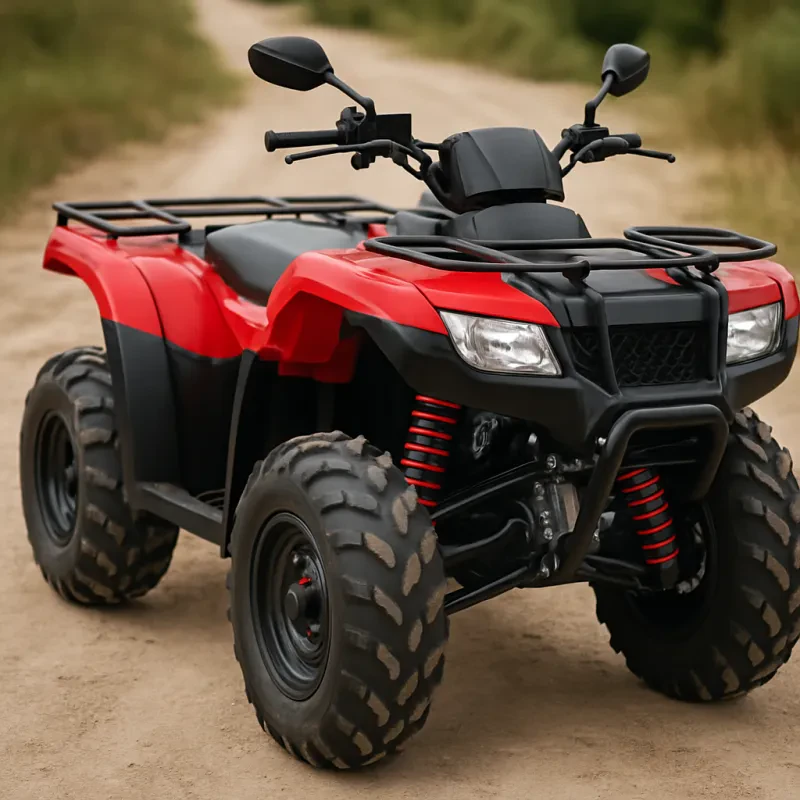
One essential aspect of your ATV is its weight and size. ATVs come in different sizes, so it's important to choose one that fits your body and skill level. A larger ATV can be more difficult to handle, especially for beginners. Make sure you can comfortably reach the controls and maintain balance. The right fit enhances control, which is a crucial part of ATV safety tips.
Additionally, understand the braking system of your ATV. Some models feature only rear brakes, while others may have all-wheel braking. Learning how to effectively use your brakes can prevent accidents and falls. Practice braking in a safe area to get a feel for how your ATV responds. Remember, mastering your ATV's features is an invaluable part of your journey into off-road riding.
Practice Riding in Safe Areas
One of the best ATV safety tips for beginners is to practice riding in safe, designated areas. Finding a location that is specifically designed for ATV riding ensures that you will be in a controlled environment where potential risks are minimized. Look for places that have clear paths, proper signage, and no hidden hazards. State parks and off-road trails often have sections that are perfect for learners to hone their skills.
When selecting a practice area, it’s essential to choose a spot with a low traffic volume, allowing you to become comfortable with your ATV without the pressure of navigating around other riders. These areas often have softer terrain and fewer obstacles, which makes it safer while you’re still mastering the basics of handling your vehicle. This type of practice will help you build confidence, allowing you to focus on learning the necessary control and techniques.
Always remember to wear appropriate safety gear, regardless of where you are riding. A good helmet, protective clothing, and sturdy boots can greatly reduce the risk of injury. Even in safe areas, accidents can happen, so being prepared is a crucial part of your overall ATV safety tips. As you gain experience and feel more confident, you can gradually challenge yourself by exploring more complex terrains.
Lastly, practicing in safe areas with friends or family can provide an added layer of safety. They can watch out for you while you focus on improving your riding skills. Plus, having company makes it more enjoyable! Whether you're just learning how to start your ATV or you're gaining experience with turns and stops, practicing in safe locations is an essential part of becoming a responsible and safe rider.
Follow Local Laws and Regulations
Before heading out on your ATV adventure, take some time to research the laws in your area. Some states might require you to register your ATV or obtain a special permit for certain trails. Additionally, there may be age restrictions for riders, so check whether you or your passengers meet the necessary criteria. Ignoring these regulations can lead to fines or even accidents, underscoring the importance of understanding the rules before you ride.
Another key aspect of local regulations often includes the requirement for wearing safety gear. Many places mandate that riders wear helmets, goggles, and other protective equipment while operating an ATV. Following these ATV safety tips not only keeps you compliant with local laws but also significantly reduces the risk of injury during your ride. So, always make sure to equip yourself with the proper gear before heading out.
Lastly, don’t forget to respect the environment and private property. Some trails may have restrictions against noise or the use of motorized vehicles in certain areas. Adhering to these guidelines not only shows respect for nature and fellow outdoor enthusiasts but also enhances the enjoyment of your rides. By following local laws and regulations, you’ll contribute to a safe and responsible ATV community.