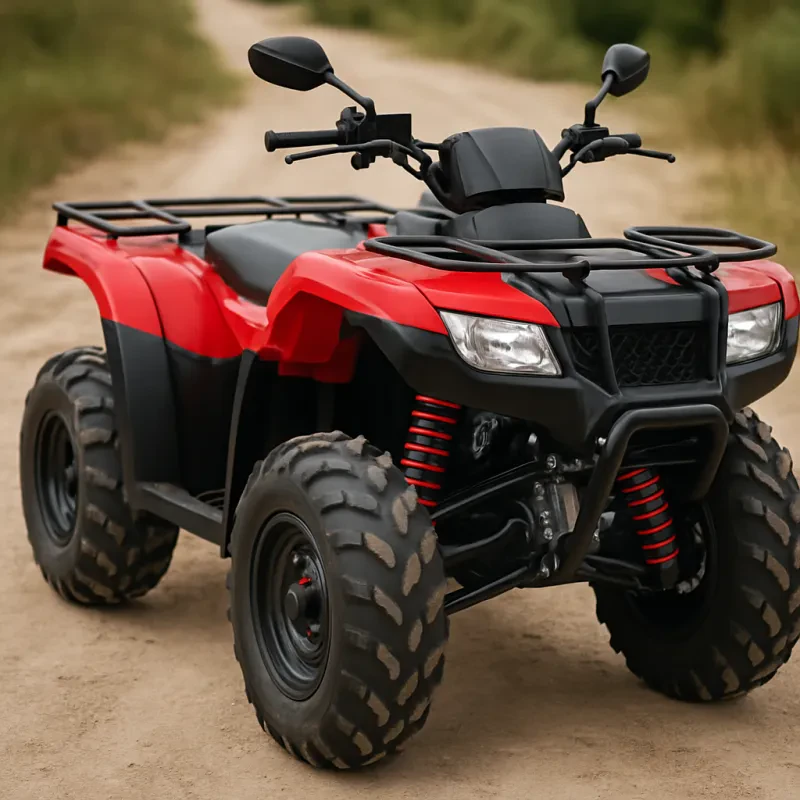
Your routine ATV maintenance should include key tasks such as oil changes, air filter cleaning, and inspection of the brakes and tires. Changing the oil regularly ensures that the engine runs smoothly, while cleaning or replacing the air filter keeps dirt and debris from entering the engine. Remember, it’s always better to perform these checks sooner rather than later; neglecting them can lead to more severe issues that can be costly to fix.
Another important aspect of understanding your ATV maintenance schedule is seasonal preparation. Before you take your ATV out for a ride, especially after a long winter, be sure to conduct a thorough inspection. This includes checking the battery, fueling system, and even the electrical components to ensure everything is functional. By proactively addressing these items, you’ll make your riding experience much more enjoyable and trouble-free.
Involving your routine ATV maintenance in your overall riding plan allows for greater peace of mind. Set aside specific times to perform these tasks, whether weekly or monthly, so maintenance becomes a regular part of your ATV experience. This way, you’ll build a connection with your ATV and be better prepared for any unplanned issues that might arise on your adventures.
Essential Tools for ATV Care
To keep your ATV in top shape, having the right tools is essential. The foundation of effective Routine ATV Maintenance begins with a basic toolkit. A socket set and wrenches are vital for tightening bolts and making adjustments. Look for sets that include a variety of sizes to cover different parts of your ATV. Having a reliable torque wrench will also help ensure that you don’t overtighten and damage components.
In addition to standard tools, investing in some specialized gear can make your Routine ATV Maintenance easier. A tire pressure gauge will help you monitor your tire health, while a chain breaker tool can assist in maintaining your drive chain. An oil filter wrench is crucial for oil changes, allowing you to remove filters with ease. These handy tools can dramatically reduce the time you spend on maintenance tasks.
Don’t forget about safety gear as well! Gloves, goggles, and even a helmet should be part of your maintenance toolkit. Routine ATV Maintenance can sometimes involve dirty or hazardous situations, so protecting yourself is key. Having the right safety equipment can make all the difference, ensuring you stay injury-free while working on your ATV.
Key Services for ATV Longevity
When it comes to ensuring the longevity of your ATV, routine ATV maintenance is essential. Regularly inspecting and maintaining key components can help prevent costly repairs and keep your ride running smoothly. One of the most critical services is changing the oil and oil filter. Fresh oil lubricates your engine, reduces wear and tear, and helps maintain optimal performance. Aim to change your oil every 50 to 100 hours of operation, or as recommended in your owner’s manual.
Another important aspect of routine ATV maintenance is checking and maintaining the tire pressure. Properly inflated tires not only enhance performance but also improve fuel efficiency and safety. Inspect your tires for any signs of wear or damage, and remember to rotate them regularly to promote even wear. Don't forget to clean the wheels as well, as dirt and debris can lead to corrosion over time.
Additionally, keep an eye on your ATV’s air filter. A clean air filter ensures that your engine receives ample clean air for optimal combustion. Regularly inspect and clean or replace the air filter as necessary, especially if you frequently ride in dusty conditions. This simple task can significantly improve engine performance and efficiency, making it a must-do during your routine ATV maintenance.
Lastly, your ATV’s battery deserves attention too. Check the terminals for corrosion and ensure the battery is securely mounted. Cleaning the terminals and applying a battery protector can help extend its life. If your battery is older, consider testing its voltage to ensure it’s in good working condition. Keeping your battery healthy is a key service that supports all the electrical components of your ATV, contributing to its overall longevity.
Tips for Troubleshooting Common Issues
When it comes to Routine ATV Maintenance, sometimes issues can arise even with the best care. If your ATV isn’t performing as expected, don’t panic. Here are some simple tips to help you troubleshoot common problems.
First, check the battery. A dead or weak battery is one of the most frequent issues with ATVs. Ensure that the battery connections are clean and tight. If the battery is more than a few years old, it might be worth testing it or replacing it altogether. A well-maintained battery ensures better performance and reliability during your rides.
Next, examine the fuel system. If your ATV is having trouble starting or is running rough, the fuel may be the culprit. Make sure you’re using fresh gasoline and check for any signs of clogged fuel lines or a dirty fuel filter. Regularly inspecting the fuel system is an essential part of Routine ATV Maintenance to avoid these frustrating problems.
Finally, don’t overlook the importance of the tires. Properly inflated and well-maintained tires are crucial for safe and effective ATV operation. Inspect for any unusual wear or damage, and ensure the tire pressure is at the recommended levels. Regularly checking the tires not only enhances safety but also improves the overall riding experience.